In astrology, we learn what a slow planet means from the world around it. People watch what shifts in history when that planet first comes into view.
The outer sky did not move into a new shape in 1781, 1846, 1930, 1977, or 2003. As Dane Rudhyar and Richard Tarnas showed in Cosmos and Psyche, human sight widened right as new themes broke open. Looking back across two hundred fifty years turns daily news into a clear sequence.
Stepping Past Saturn's Ancient Wall
For ages, the known sky stopped at Saturn. Seven lights shaped old astrology: the Sun, Moon, Mercury, Venus, Mars, Jupiter, and Saturn. Kings, guilds, and stone walls kept life inside tight borders below, just as Saturn marked the edge above. Each time human thought crossed an old line, a new world showed up bearing that shift.
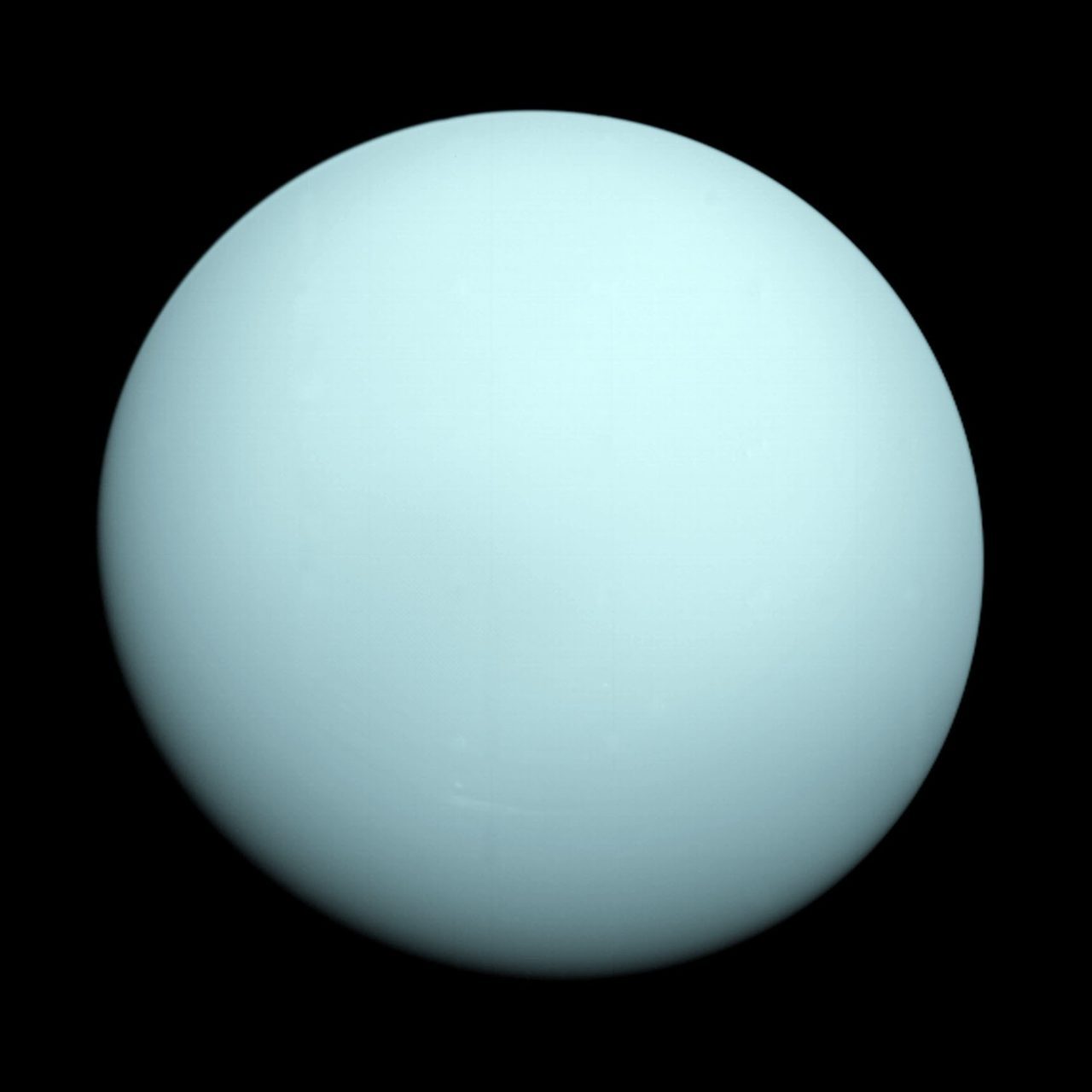
First came Uranus in 1781, found by William Herschel in Bath. Its sighting doubled the known solar system overnight. Down on Earth, the American Revolution was underway, and the French Revolution followed soon after. Steam power, early sparks of electricity, and talk of equal rights shook old thrones.
Next came Neptune in 1846, found by math before any lens saw it. It arrived beside anesthesia in 1846, early photos, telegraph wires, and the 1848 uprisings in Europe. Hard lines blurred as waves, dreams, and long wires tied far towns together. In 1930, Clyde Tombaugh photographed Pluto at Lowell Observatory right after the 1929 crash. At that same hour, science was unlocking vast force inside tiny hidden atoms.
From Chiron in 1977 to the Kuiper Belt
The search kept moving out. On November 1, 1977, Charles Kowal spotted Chiron between Saturn and Uranus. That season brought hospice care, whole-body health, and open talk about old pain, mapped later by Melanie Reinhart.
Fifteen years on, in 1992, sky watchers found Albion (1992 QB1) past Neptune as the public web opened. From 2000 to 2005, a wave of worlds appeared: Varuna, Ixion, Quaoar, Sedna in 2003, Orcus, Haumea, Makemake, and Eris in 2005. Pluto was no lone rock in the dark. It stood at the gate of a crowded Kuiper Belt, and in August 2006 astronomers called Pluto and its peers dwarf planets.
As Alan Clay and Philip Sedgwick note, naming left Greek and Roman myths behind for world creation tales. Inuit Sedna, Hawaiian Haumea, Rapa Nui Makemake, Tongva Quaoar, Hindu Varuna, Chinese Gonggong, and Welsh Arawn entered the sky. Sedna came in 2003 as early neural nets sped up. Eris came in 2005 as global webs tested public trust. As climate stress and shared networks touched every shore, the sky widened to match the whole Earth.
Reading the Slow Sky Today
As Richard Tarnas wrote in Cosmos and Psyche, planets are not clock gears. They do not push events from above. They mirror deep turns in human awareness.
Seeing that long arc keeps today's news in scale. Uranus shook kings. Neptune tested firm rules. Pluto showed hidden power, and Chiron helped people name old wounds. Now dozens of Kuiper Belt worlds call our crowded age to outgrow small walls and care for living Earth. Humanity has crossed the edge of its old map many times before.
Open your free birth chart to see where Uranus, Neptune, Pluto, and Chiron stand. Check their signs and houses, or track their moves today in Your Transits.