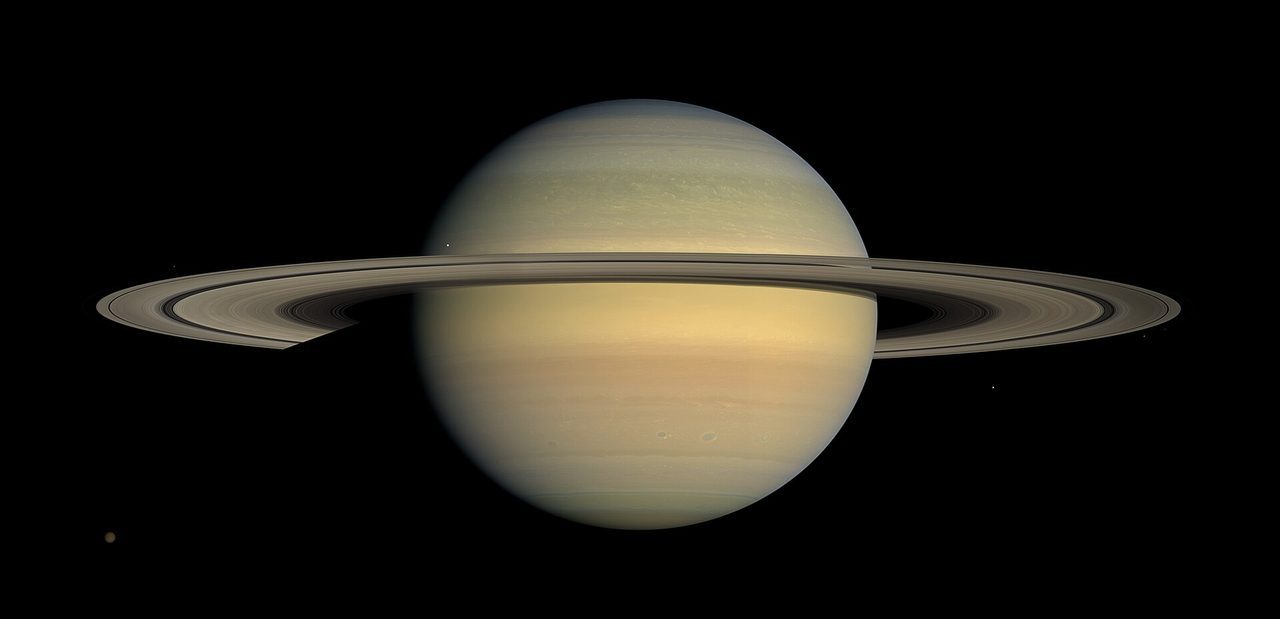
Most trouble stays in one room. A town has a bad harvest, or a bank fails, or two neighbors fight over a fence. Once in a great while, every wall in the house groans in the same season. Right now, ocean heat, strained governments, fast machines, and personal loneliness all press on people at the same time.
When separate parts of life shake together, older traditions do not blame a single law or leader. They look up at the turn of a larger clock.
When One Strain Feeds Another
Global risk watchers now describe our decade as one knotted web of trouble. Warm seas bleach coral reefs and unsettle weather across continents. Trust in old leaders and institutions has worn thin while digital feeds reward loud anger over patient truth.
New software writes reports and mimics human speech at dizzy speed. At the same time, vast server rooms drink river water and draw heavy power from the grid. Underneath the headlines sits a simpler human ache. Many people feel lonely in crowded cities, tired from nonstop news, and unsure how to slow down.
Old habits from the industrial century no longer hold up at this scale. Treating the sea as endless and human attention as cheap has reached its limit.
Ancient Clocks for Hinge Seasons
People often picture history as a straight staircase climbing forever upward. Older cultures saw time as great turning seasons instead.
In Indian Purāṇic thought, human awareness moves through four ages called Yugas. They are Satya, Treta, Dwapara, and Kali. Between one age and the next lies a twilight hinge called a sandhyā. Stand inside that hinge, and the old shelter drops away before the new home feels familiar.
Independent researcher Bibhu Dev Misra studied these ancient calendars in his book Yuga Shift. Using a shorter equal-length cycle, he placed the end of the ascending Kali Yuga around March 21, 2025. He argues that the years from 2025 to 2040 form a rough crossing while humanity adjusts to a clearer age.
A Rare Crossing in the Outer Sky
Astrologers see a matching turn overhead between 2025 and 2028. Slow outer planets stay in one zodiac sign for many years. Between 2024 and 2026, Pluto, Neptune, Uranus, and Saturn all stepped out of late Earth and Water signs into Air and Fire.
On February 20, 2026, Saturn met Neptune right at zero degrees of Aries. That first degree of the zodiac marks a fresh start for the collective sky. Saturn governs borders, debt, and hard walls. Neptune governs dreams, water, and the unseen bond between living things. When they meet at the opening gate of Aries, rigid structures soften while vague hopes are asked to take real shape.
Meanwhile, Pluto moves through early Aquarius, traveling from three degrees in November 2026 to seven degrees in May 2027. Uranus crossed into early Gemini in 2026. Pam Gregory links this Aquarian and Aries shift to power moving out of tall pyramids toward local human networks. Dr. Heather Ensworth sees the same sky calling people back into shared care for the living Earth.
Philosopher Richard Tarnas studied centuries of outer-planet cycles in Cosmos and Psyche. He showed that planets do not push human beings like mechanical gears. They act as a mirror for deep turning points in the collective mind.
Farther out past Neptune, icy worlds in the Kuiper Belt sit at those exact same early degrees. Sedna stands in early Gemini, Haumea moves through early Scorpio, and Arawn walks right beside Pluto in Aquarius. Their slow orbits span hundreds or thousands of years. Their presence reminds us that this shift touches oceans, kept promises, and how we live on Earth.
Finding Footing While the House Rearranges
A big sky season never takes away your daily choice. Knowing the outer planets are moving into Air and Fire leaves no room for fear or passivity.
When a public change takes fifteen years to unfold, waiting for an overnight rescue only wears you out. Strength returns when you care for what your own hands can reach. Keep your word to the few people at your table. Step away from nonstop screens so your mind can rest. Learn one practical skill that serves real neighbors.
If you want to see where this weather touches your own life, open your free birth chart. Look for the house that holds zero to eight degrees of Aries, Aquarius, or Gemini. Notice if your Sun, Moon, Ascendant, or inner planets sit near those early degrees. You can also explore Your Transits or The Years Ahead to track when slow sky cycles cross that part of your chart.