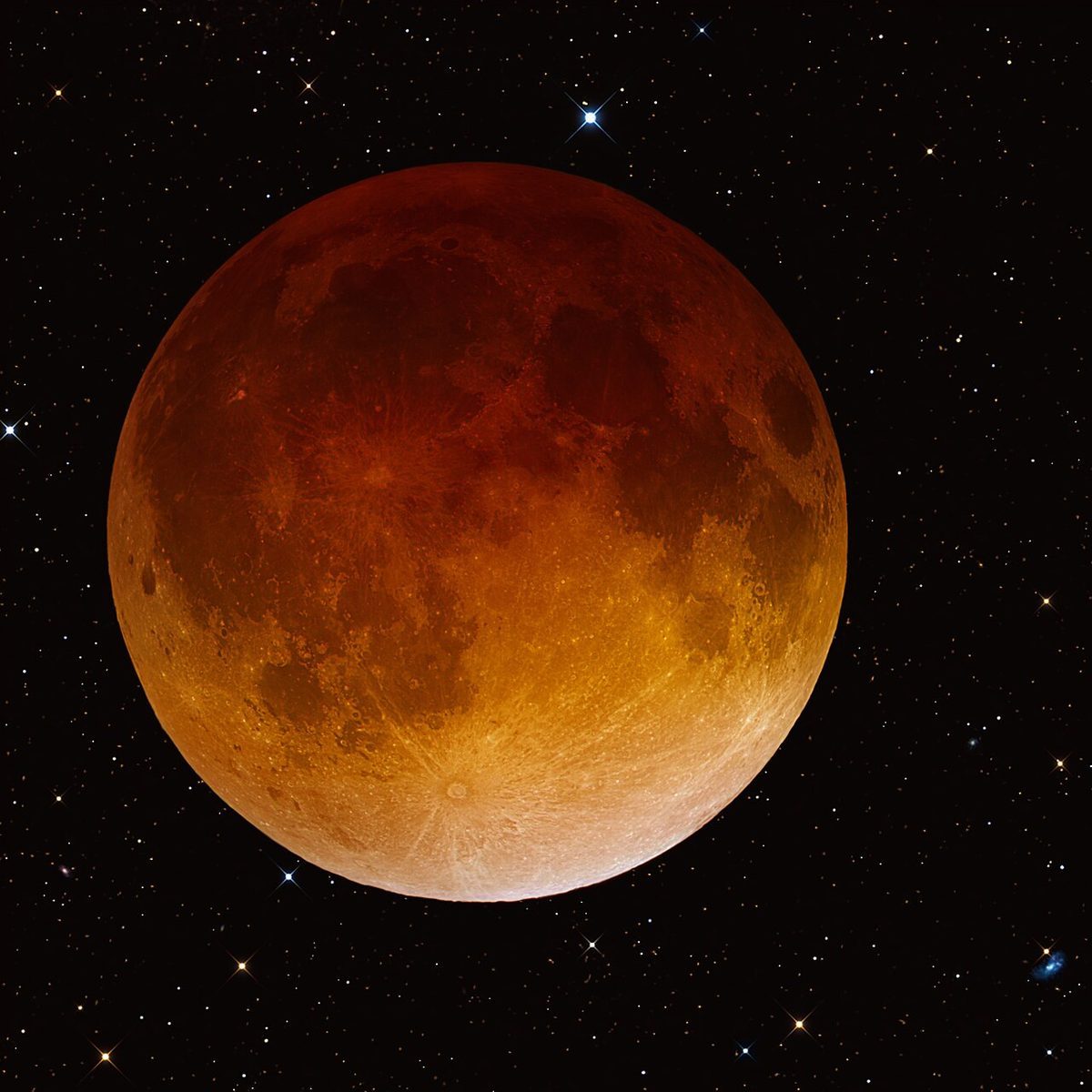
On the night of a lunar eclipse, a dark water jar sits in a Visayan courtyard, catching the silver face of the full moon. As a copper shadow creeps across the rim, that bright reflection vanishes from the water. Nobody in the yard stands mute in the dark. Neighbors grab bamboo clappers, cooking pots, and brass gongs and wake the night sky together.
Bakunawa, Sidapa, and Magwayen are three pre-colonial Visayan powers of shadow, measured time, and soul passage. Bakunawa is the giant sea dragon that rises to swallow the moon. Sidapa dwells on Panay's Mount Madia-as, cutting notches in a tall tree to count each mortal span. Magwayen rows departed souls across dark waters toward Sulad. Together they map how a community breaks eclipse fear with sound, respects finite days, and crosses loss intact.
Counting nights and crossing doorways
Science and consciousness research look closely at what happens when light dims and time marks an edge.
In The Order of Time, Carlo Rovelli notes that people knew time long before mechanical clocks hung on walls. They watched light turn into dark. Night follows day, and day follows night. Counting those beats was how old memory measured life on earth.
Richard Muller takes that rule further in Now: The Physics of Time. Time is no frozen road already laid ahead of us. New time forms at each passing moment. It pushes the edge of now forward like water rising in a trench. Every notch carries weight because moments run forward without turning back.
When a mortal span ends, awareness meets a crossing. In Physics of the Soul, Amit Goswami reads Tibetan bardo texts closely. Those books map life and death as one unbroken chain of doorways. A mind that practices staying awake through fear crosses dark doors without losing its thread.
Seven moons, a notched trunk and an oar
This is how Visayan and Bikolano memory tells the story of the three threshold keepers.
At the start of the world, Bathala set seven shining moons in the night sky so earth would never sit in total blackness. Deep beneath the ocean trench lived Bakunawa, a vast serpent with dragon fins and glowing eyes. Drawn upward by the cool silver light, Bakunawa coiled out of the sea and swallowed one moon whole.
Night after night the sea dragon rose again. One by one, six moons vanished down its throat until only a single moon remained over the islands. When Bakunawa opened its jaws for the seventh moon, villagers below saw what was coming.
They grabbed hollow bamboo poles, cooking pots, and brass gongs. Men, women, and children beat the night air with thunderous rhythm. Startled by the roar rising from every shore, Bakunawa choked and spat the last moon back into the sky, slipping down beneath the waves until the next eclipse.
Far above the surf on Mount Madia-as in Panay, the diwata Sidapa tended a giant tree. For every child born below, Sidapa carved a fresh notch into the bark to mark the length of their years. Folklore even remembers Sidapa's tender care when the moon youth Bulan descended toward earth.
When a person reached their final notch, the ferrywoman Magwayen waited at the shore of cosmic waters. With one long wooden oar, Magwayen rowed souls across the deep sea currents to Sulad, the realm of the dead, so none had to swim the dark ocean alone.
Centuries later, after colonial rule burned old island books, modern Filipino writers imagined four stone jewels in the television show Encantadia and its Sang'gre keepers. Though modern fiction instead of an old temple rite, that story showed how elemental memory returns when old records go missing.
How sound breaks the dark and counts the crossing
Two clear laws hold Bakunawa, Sidapa, and Magwayen together as one sequence.
First, shadow swallows light only while the shore stays mute. Bakunawa is an eclipse pattern. A dark wave rises from the deep sea to swallow reflection and clear mind. When villagers stood frozen in fear, six moons vanished. The instant households raised bamboo poles and voices together, the dragon dropped its prize. Shared sound breaks trance.
Second, a counted span keeps crossing clear of panic. Sidapa's tree notches drop the false wish to live unchanged forever. Magwayen's boat shows that endings are water you can row across. You pass intact when you respect your count and trust the oar.
Bamboo clappers, tree bark and Dragon Points
Each Visayan keeper carries a simple physical tool for meeting dark hours.
Bamboo poles and brass gongs break silent dread. Sound travels fast through air and water. Tom Kenyon writes in his Chitananda Tantra essays about Dragon Points. These are hubs inside the body where sky current meets earth current, such as the point behind the bridge of the nose. Waking attention at those points stills loose noise. Awareness grows clear enough to cross dark states awake.
Sidapa's notched tree marks the true count of years. A notch shows how far you have walked and stops you from spending days in dull sleep.
Magwayen's wooden oar turns heavy water into passage. Anne Tucker, in a talk on eclipses, describes paired lunar and solar eclipses as bookends for global shifts. Her counsel calls for grounding light squarely into the earth. An oar freezes no sea and fights no tide. It dips into dark water and turns strong current into forward motion.
Lunar Nodes, Saturn and Pluto in the sky
Mapping Bakunawa, Sidapa, and Magwayen onto Western planets like Saturn, Neptune, and Pluto is a modern comparison, not an old Visayan rule. Only the Lunar Nodes tie directly to the sky science of eclipses.
The North and South Lunar Nodes mark the exact points where the moon's orbit crosses the sun's path. In older traditions around the world, those two crossing points were named the Head and Tail of the Dragon, because eclipses happen only there. Bakunawa echoes that crossing, swallowing light whenever old habits clash with new growth.
In modern chart comparisons, Saturn mirrors Sidapa's notched tree trunk. Saturn marks the slow count of years, measures bone and time, and brings ripe seasons to a test around age twenty-nine and age fifty-eight.
Pluto and Neptune mirror Magwayen's deep sea crossing to Sulad. Pluto strips away husks that can no longer travel onward, while Neptune softens grief until a soul releases the shore and boards the ferry calmly.
Waking the dark with bamboo and water
Bakunawa, Sidapa, and Magwayen belong to living Visayan and Bikolano heritage. Turn to this practice during eclipses, heavy transitions, grief, or nights when shadow feels larger than sight.
Come at nightfall or during an eclipse hour. Set a small jar of dark water and a lit candle on a table beside two bamboo sticks, wooden spoons, or a simple bell.
Sit cross-legged on a woven mat or upright at the edge of your chair, resting your palms loosely on your thighs. Look at the water jar and name one shadow or fear that has been swallowing your clarity this month. Do not pretend the dark is small.
Pick up the bamboo sticks or tap the wooden spoons together in a firm beat, seven times in a row. Let the sharp wooden click fill the room and shake loose stiff air around your chest. Picture Bakunawa startling and releasing the hidden moon back into the open sky.
Set the sticks down and rest one hand near the bridge of your nose or over your heart, where breath slows down. Think of Sidapa's notched tree and thank your years for what they have carried so far. Picture Magwayen's dark boat moving smoothly across still water toward a far shore.
End the vigil deliberately before you stand up. Blow out the candle beside the water jar and watch the thin thread of smoke rise and clear. Carry the jar outside and pour the water onto soil or tree roots so eclipse shadow leaves the house. Tap the wood rim of the doorway once with your knuckles, and write down one small task for tomorrow morning.
Questions people ask about Bakunawa, Sidapa and Magwayen
Who is Bakunawa in Philippine mythology?
Bakunawa is a giant sea dragon or serpent in Visayan and Bikolano lore who rises from the ocean floor during eclipses to swallow the moon. Communities traditionally banged bamboo, pots, and gongs to startle Bakunawa into returning the moon's light.
Who are Sidapa and Magwayen?
Sidapa is the Visayan diwata of Mount Madia-as in Panay who marks each person's lifespan by cutting notches in a towering tree. Magwayen is the Visayan ferrywoman who rows departed souls across primordial waters to Sulad.
What do the Lunar Nodes have to do with Bakunawa?
In astronomy and astrology, eclipses occur only when the full or new moon lines up near the Lunar Nodes, where the moon's path crosses the sun's path. Many cultures pictured those eclipse points as a sky dragon or serpent.
Is Encantadia's Sang'gre an ancient Philippine myth?
That four-gem story is modern Filipino television fantasy. It sits separate from pre-colonial lore. Still, modern stories often echo old island memory after colonial loss.
Why did villages make noise during an eclipse?
Banging bamboo clappers and gongs broke silent dread and united neighbors in shared action. Symbolically, waking the community with sound pushes back inner shadow until reflective light returns.
The returned moon of Bakunawa, Sidapa and Magwayen
Bakunawa, Sidapa, and Magwayen are the dragon at the eclipse, the measured count of days, and the boat that crosses dark water whole.