Beside an ancient hearth fire, two people could strike an oath with no ink or parchment at all. Once the spoken word crossed the flame between them, what happened to one partner moved the other across mountains and years.
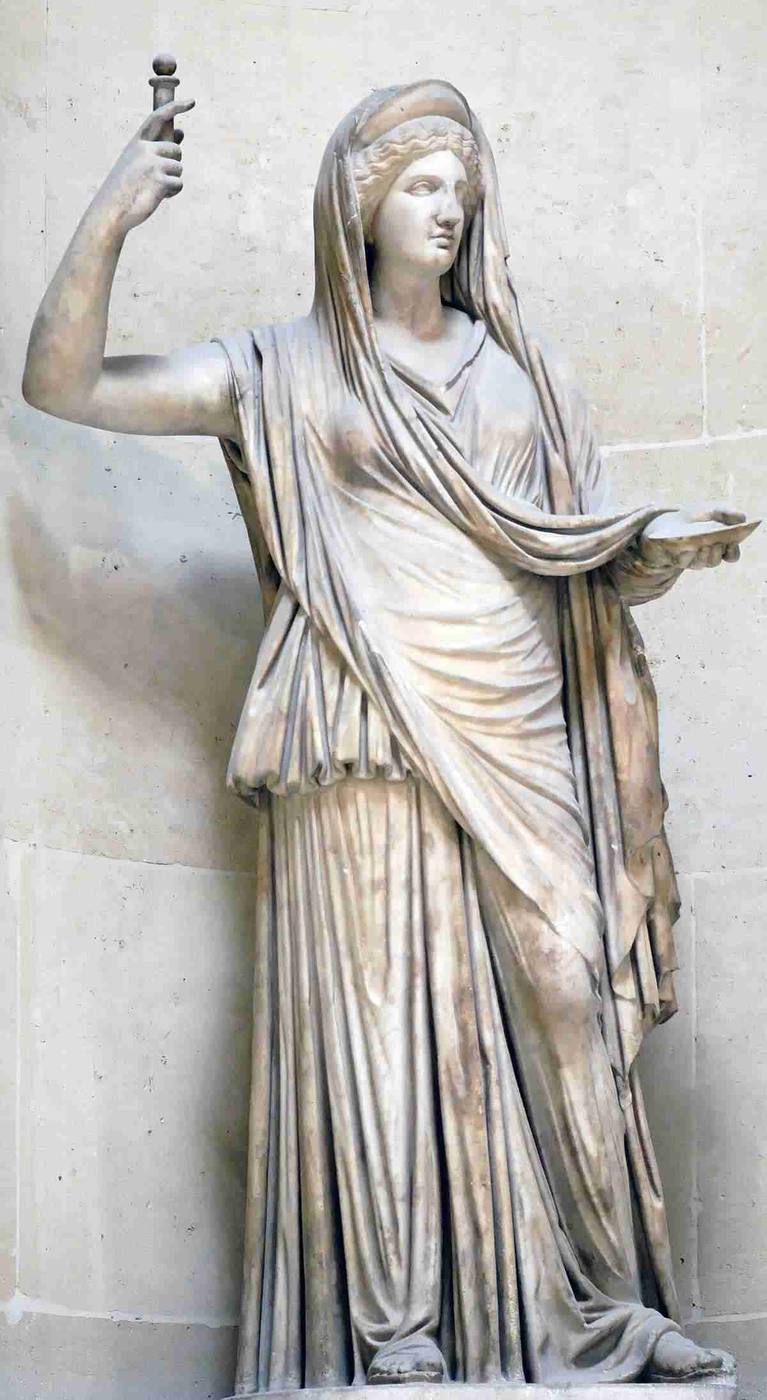
Hera is the Greek queen of heaven, goddess of marriage, sworn vows and equal rank. Rome knew her as Juno and honored her on the Capitoline Hill as Juno Moneta, the counselor whose temple housed the mint and gave us the word money. She is a consciousness far deeper than jealous anger. She is the law of covenant inside reality, the bond that makes two separate wills answer to a shared promise. And Greece left an instrument of crown, peacock eyes, silver coin and lonely spring water to keep a bond alive.
How two lives share one field
Look at a pair of gloves placed in two boxes, one sent to Athens and one to Rome. If the Athens box holds the left glove, you know at once the Rome box holds the right. Quantum physics found a bond far closer than gloves.
In Meeting the Universe Halfway, Karen Barad writes that entanglement is far deeper than two finished things tying a string between them. Separate beings do not stand sealed in their own skins before they meet. They grow out of their shared bond, and the other person is never a stranger outside the self.
In Attributes of the Soul, Lee Carroll and Kryon see entanglement inside living biology. Identical twins miles apart often sense a crisis at the exact same instant because shared DNA links them across distance. At a deeper layer, Kryon teaches, every soul stands entangled with Source beyond space.
Closeness without truth soon turns bitter. In his essay on sacred partnership, Tom Kenyon warns that a deep bond breaks whenever partners leave back doors unlocked or hide cards under the table. Real union needs a safe vessel of respect. Then, when friction heats up, both partners stay inside the foundry long enough for old habits to melt and reforge.
The cuckoo, the hundred eyes and the spring of Kanathos
Three ancient tales show how Hera enters a bond, guards its truth, and renews her own center.
In Argos, people remembered how her marriage to Zeus began. Zeus watched Hera walking alone on Mount Thornax in cold rain. He turned into a shivering cuckoo and fluttered into her lap. Hera pitied the bird and tucked it inside her cloak to warm it. At once Zeus threw off the feathers and seized her. Hera refused to be a passing toy in the woods. She held him to a sworn oath of equal marriage before she yielded. From that day, she set the cuckoo atop her scepter so neither throne would forget how their union began.
Later, Zeus hid a mortal lover named Io inside a cloud and turned her into a white cow. Hera asked for the cow as a gift and set Argus, a giant with a hundred eyes, to watch her. Even when Argus slept, fifty eyes stayed open while fifty shut. Zeus sent Hermes down with pipes and tales to lull every eye asleep and kill him. Grief-stricken for her watchman, Hera gathered all hundred eyes and set them in bright rings across the tail of her sacred bird, the peacock.
Yet the most telling rite happened once a year at Nauplia, far from Olympus. Pausanias tells how Hera walked alone to a spring named Kanathos. She stepped into the spring water by herself, washed off the dust and anger of the year, and stepped out renewed as Parthenos, whole and belonging to no one else. In Rome, Juno Moneta kept that same measure in public life. She guarded the coin mint, keeping silver weights true so civic promises held real worth.
Oath, witness and the lonely spring
These stories carry two plain laws about any lasting bond.
A true covenant is never private. Hera sits as the public witness at every hearth and mint. When promises stay vague and secret, partners slip into hidden scorekeeping. When terms stand open under clear eyes before a witness, trust finds solid ground.
The second law lives in the spring of Kanathos. No union survives when one person vanishes inside the other. Hera rules marriage, yet every year she walks out of the palace alone to step into the spring and recover her own center. Wholeness is not the enemy of devotion. Wholeness keeps devotion alive.
Reading Hera's instruments of measure
Each sign around Hera's throne measures the balance of a sworn bond.
The round diadem sits level on the head, marking equal rank in place of servant obedience. A crown reminds each partner that two whole thrones meet at the table.
The fanned peacock tail carries the hundred eyes of Argus. Session 90 of The Law of One compares the Creator's mind to that exact bird, shining like a fanned peacock's tail with every feather vivid and upright. In balance, those eyes bring wide sight that spots drift early. Wounded by betrayal, those same eyes freeze into hard suspicion.
The cuckoo on her scepter holds memory of the first spark and the winter storm. It asks whether a bond rests on mutual care or disguised pursuit.
In her hand rests a split pomegranate, tough skin guarding rows of red seeds inside one round fruit. A shared home holds many seasons and duties inside one firm shell.
At Rome's mint, Juno Moneta held scales and struck silver coin. Money and vows obey the same law of trust: clip the silver edge or break your word, and every trade in the city weakens.
Juno, Saturn and the chart of partnership
Astronomers found the third body in the asteroid belt in 1804 and named it 3 Juno. Modern astrologers read Juno alongside Venus and Saturn to see how a person approaches sworn partnership, parity and shared weight.
In a birth chart, look to Juno's sign and house to see what terms you require in a bond. Juno in Libra or the seventh house asks for clear balance and shared voice. Juno in Capricorn or Scorpio insists on loyalty tested across hard seasons, refusing shallow charm.
Watch where Juno meets Venus, Saturn, or the Moon's Nodes. Venus beside Juno links attraction with durable vows. Saturn touching Venus or Juno adds the stone weight of patience and long duty. Watch also the Vertex and the draconic chart, where two souls' deeper vows show their shared pattern before daily habits take over.
Two chairs, one candle and the spring of Kanathos
Call on Hera when you are weighing a serious promise, when hurt has turned your sight into Argus's hard watch, or when shared duty has swallowed your own center.
Her hour is early evening on Friday or under a full moon, when balance shows clearly in the sky.
Light one plain candle on a table between two chairs. Set an empty clay or brass cup beside it. The candle stands as the third witness at the hearth, keeping the room open and clear.
Sit upright in one chair with both hands open on your knees. Look at the flame and speak aloud one agreement or expectation you hold right now, without blaming anyone. Recall Tom Kenyon's rule: ask where you have left a back door unlocked, or where you hid true feelings to dodge heat. Name what you want and what you give.
Look next at Argus's eyes. If suspicion or scorekeeping burns in your chest, speak one fear into the flame and set it down there.
A covenant lasts only when neither chair swallows the other. Blow out the witness candle with one breath. Turn the cup upside down between the two chairs, and push your own chair back an arm's length. Lift your chin as if setting a level crown straight on your head. Speak your own separate name aloud once, and walk out of the room on your own two feet.
Questions people ask about Hera
What is Hera the goddess of?
Hera is the Greek queen of Olympus and goddess of marriage, sworn oaths, childbirth and equal partnership. Rome worshiped her as Juno, protector of the city and keeper of the mint.
Why is the peacock Hera's sacred bird?
After Hermes slew hundred-eyed Argus, Hera placed his eyes across the peacock's tail feathers to honor watchful sight inside every vow and household.
Why did Hera bathe in the spring of Kanathos every year?
According to Pausanias, bathing alone at Kanathos near Nauplia restored Hera's wholeness apart from Zeus, showing that lasting union needs periodic solitude and renewal.
What did Juno Moneta mean in ancient Rome?
Moneta meant the counselor or warner, and Rome struck its silver coins beside her temple on the Capitoline Hill, linking true measure and sacred trust.
What does Juno represent in astrology?
Asteroid 3 Juno shows what kind of commitment, fairness, loyalty and shared terms a person seeks in long partnerships and sworn vows.
The crown beside the spring
Hera is the witnessed covenant, the bond that honors both thrones without erasing either center.
Draconic Synastry compares two soul charts side by side to reveal the deeper vows, mirrors and shared weight between two lives.